

Comprehensive Dental Care for Pets
Dental health is an important part of your pet’s overall well-being. At Good Life Veterinary Care, our comprehensive dental services focus on preventing and treating dental disease by addressing plaque, tartar, and oral infections helping support not just a healthy mouth, but your pet’s long-term comfort and health.
Pet Dentistry
Dental disease (periodontal disease) is the most common medical condition in dogs and cats, affecting about 78% of dogs and 68% of cats over age three. It often begins early with plaque and tartar buildup below the gum line and can progress to infection, pain, and tooth loss if left untreated.
As dental disease advances, bacteria can enter the bloodstream and may impact organs such as the heart, liver, and kidneys.
While signs such as bad breath or visible tartar can occur, many pets do not show obvious signs of dental pain or infection. Dogs and cats have a strong instinct to eat, even when they’re uncomfortable. As Dr. Beck often says, “pets can’t limp with their mouths,” which is why dental disease often goes unnoticed.
Comprehensive Dental Services for Dogs & Cats
Our dental services focus on identifying, treating, and preventing dental disease while keeping your pet comfortable and safe. Every dental procedure is approached thoughtfully, using advanced diagnostics and individualized care planning.
Dental Services We Provide:
- Dental Exams for Dogs & Cats: Thorough oral exams performed by our veterinarians to evaluate teeth, gums, and overall oral health, including signs of periodontal disease and infection.
- Professional Dental Cleanings: Anesthesia-based cleanings for dogs and cats to remove plaque and tartar above and below the gum line, where dental disease often begins.
- Oral Surgery: When needed, we perform surgical tooth extractions, oral mass removals, and other oral procedures to address pain, infection, or injury. We also offer advanced treatments such as bonded sealant for uncomplicated enamel fractures in appropriate cases.
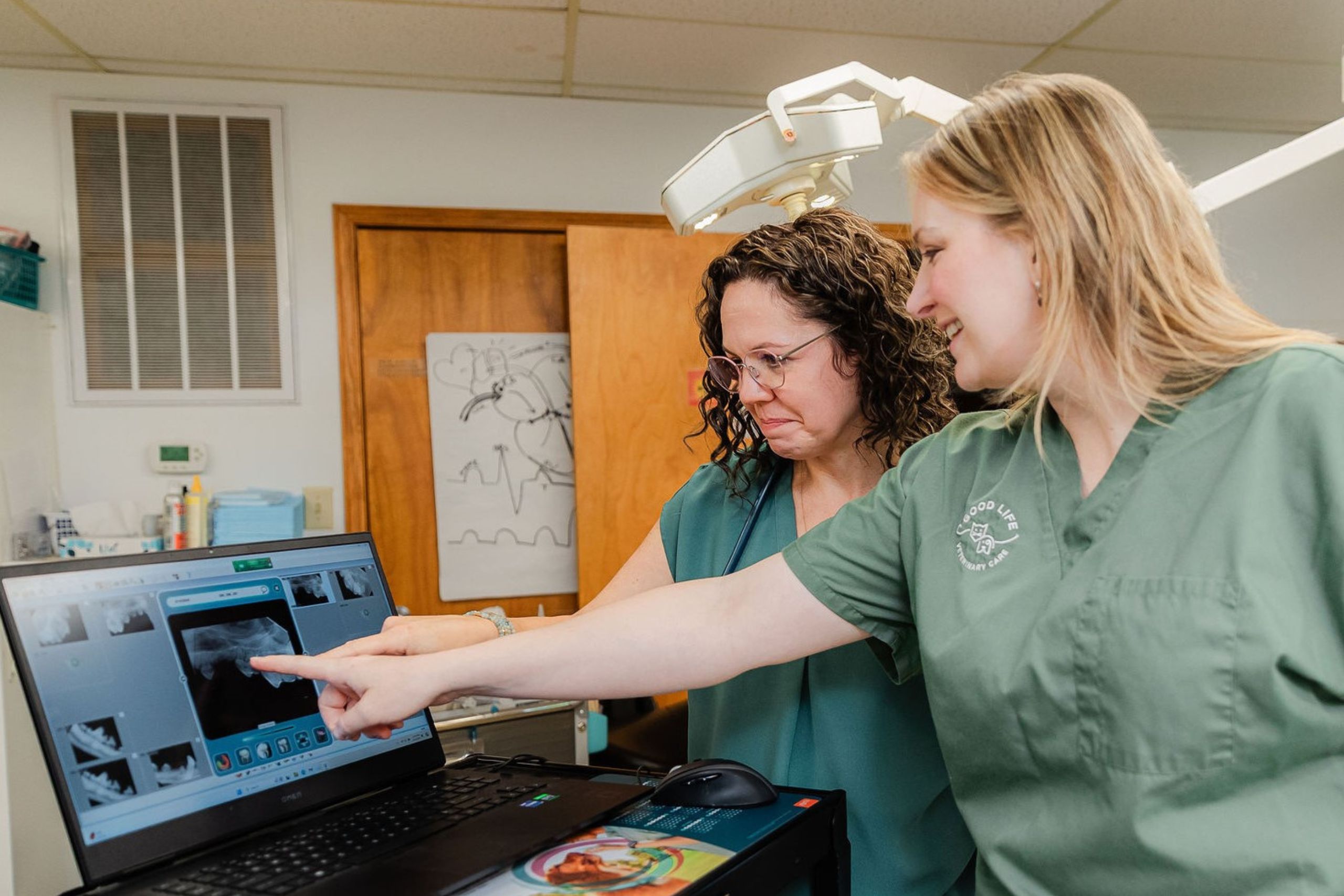
- Full-Mouth Digital Dental X-Rays: Every dental patient receives complete digital dental radiographs to evaluate the tooth roots and surrounding bone, allowing us to identify disease that cannot be seen during an exam alone.
Our goal is to provide complete, high-quality dental care not just what’s visible on the surface—so we can protect your pet’s comfort, health, and quality of life.
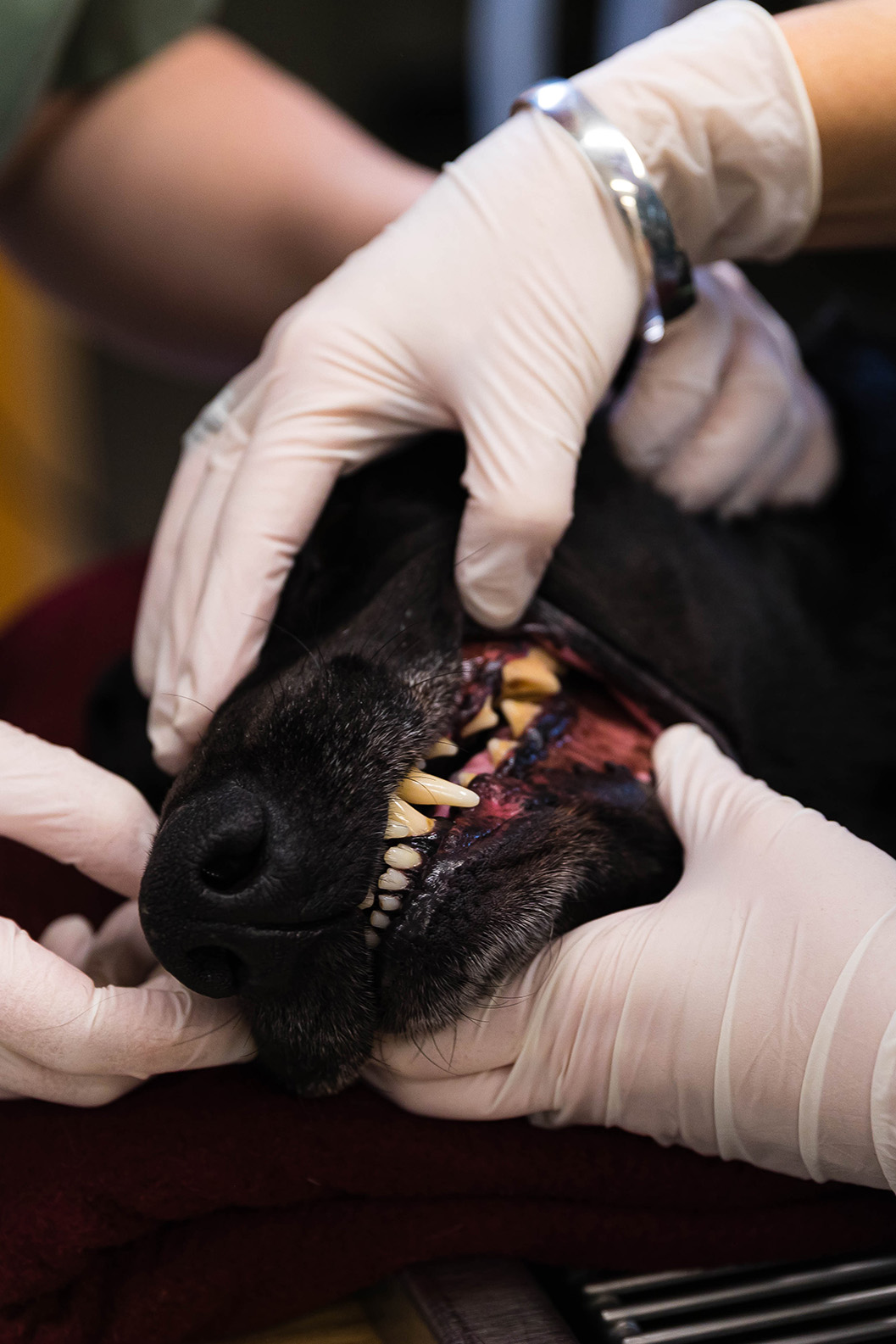
How will I know if my pet needs a dental cleaning?
Many pets with dental disease don’t show obvious signs at home. While bad breath, visible tartar, red or bleeding gums, or changes in chewing can be clues, significant dental disease often develops below the gum line where it can’t be seen. A professional dental cleaning may be recommended when visible dental disease is present and/or on a regular basis to be proactive and stay ahead of disease before it becomes more advanced.
Key Services Offered
- Difficulty Eating: If your pet is experiencing pain while eating or is reluctant to chew, it may be due to dental issues.
- Visible Tartar Buildup: Yellow or brown tartar on your pet’s teeth indicates plaque accumulation and may indicate the need for professional cleaning.
- Swollen or Bleeding Gums: Inflamed or bleeding gums can be a sign of periodontal disease, which requires prompt attention from a pet dentist.
- Loose or Missing Teeth: Loose or missing teeth can indicate advanced dental disease and may require extraction to prevent further complications.
Why are dental X-rays important for my pet?
Dental X-rays allow us to see disease below the gum line, where most dental problems occur. They help identify issues affecting the tooth roots and surrounding bone that aren’t visible during an exam. At Good Life Veterinary Care, every pet receiving a dental cleaning gets full-mouth digital dental X-rays, ensuring we don’t miss hidden disease and can provide complete, appropriate treatment.
How do you keep my pet safe under anesthesia?
What does recovery look like after a dental procedure?
How can I help prevent dental disease at home?
One of the most effective ways to support your pet’s dental health is daily tooth brushing. Brushing helps remove plaque before it hardens into tartar and causes periodontal disease. We’re happy to walk you through tips and techniques to make brushing more manageable at home, and you can also find guidance here:
Dental chews, treats, and water additives can also be helpful tools when they are VOHC (Veterinary Oral Health Council)–approved, meaning they’ve been shown to reduce plaque and tartar. You can view approved products at vohc.org. While these products don’t replace brushing or professional cleanings, they can be a useful part of an overall dental care routine.