

Senior Pet Care in Dublin, OH
As pets grow older, their needs often change—even when
they still feel like the same beloved companions at home. At Good Life Veterinary Care, our senior pet care services focus on early detection, comfort, and thoughtful management of age-related changes. We take a proactive, individualized approach to monitoring health, supporting mobility, and managing chronic conditions, helping senior dogs and cats maintain quality of life through every stage of aging.
Understanding Senior Pet Care
Senior pet care is about recognizing that your pet’s needs change with age and adjusting care thoughtfully along the way. As dogs and cats get older, they are more likely to develop conditions such as arthritis, dental disease, changes in kidney or heart function, and cognitive decline. Many of these changes happen gradually and aren’t always obvious at home, which is why regular veterinary monitoring becomes especially important in the senior years.
At Good Life Veterinary Care, we take a proactive but flexible approach to senior care. We often recommend twice-yearly wellness exams for senior pets to help identify changes early, monitor chronic conditions, and revisit care plans as needs evolve. Just as importantly, we understand that goals may shift over time from prevention and early intervention to comfort, mobility, and quality of life and we tailor our recommendations accordingly.
Common Health Concerns in Senior Pets
As pets age, they may be more likely to experience:
- Arthritis and joint disease, leading to stiffness, pain, or reduced mobility.
- Dental disease, which can affect comfort, appetite, and overall health.
- Kidney disease, heart disease, and diabetes, which often require ongoing monitoring and management.
- Cognitive changes, including shifts in behavior, sleep, or awareness
Our team has extensive experience diagnosing and managing these age-related conditions. We work closely with you to develop individualized treatment and lifestyle plans that support your pet’s comfort, function, and well-being always guided by what matters most to you and your pet at this stage of life.
When Is My Pet Considered a Senior?
Aging looks different for every pet and can vary widely by species, breed, and size. In general, dogs are considered seniors around 7 years of age, though larger dogs tend to age sooner than smaller dogs. Cats are typically considered seniors around 10 years old.
As a guideline:
- Giant breed dogs (90+ lbs): ~5–7 years
- Large breed dogs (50–90 lbs): ~6–8 years
- Medium breed dogs (21–50 lbs): ~7–10 years
- Small or toy breed dogs and cats (under 20 lbs): ~8–12 years
At Good Life Veterinary Care, we often begin senior-focused 6-month wellness exams around age 7 to establish healthy baselines and catch changes early. For giant and large breed dogs, we may recommend starting senior monitoring at a younger age.
Why Do Senior Pets Need More Frequent Veterinary Visits?
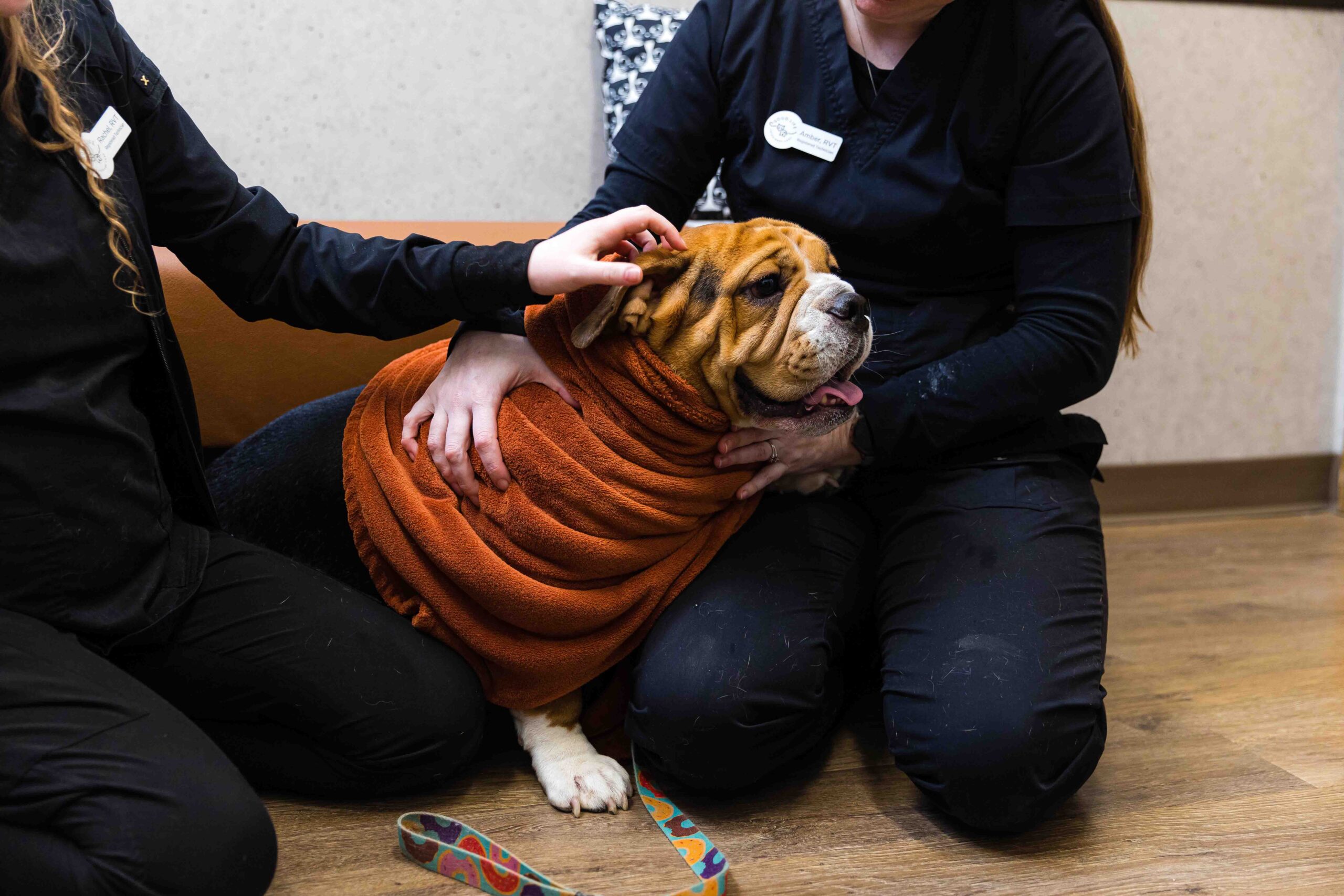
As pets age, health changes can happen more quickly and may be harder to spot at home. We often recommend twice-yearly wellness exams for senior pets to monitor trends, catch problems early, and adjust care as needed. These visits allow us to use diagnostics such as lab work, imaging, and blood pressure monitoring to stay ahead of developing issues.
What Are Common Health Problems in Senior Dogs and Cats?
Senior pets are more likely to experience:
- Arthritis and joint disease
- Dental disease
- Kidney, heart, or endocrine conditions
- Cognitive or behavioral changes
At Good Life Veterinary Care, we’re equipped to evaluate these concerns using in-house diagnostics, advanced imaging, and collaborative care when needed, allowing us to create informed, individualized treatment plans.
How Do You Care for Senior Pets with Chronic Conditions?
Caring for senior pets with chronic conditions is an ongoing, collaborative process. We use a wide range of diagnostics and treatments including lab work, imaging, medications, nutrition, pain management, and integrative therapies to monitor changes and adjust care over time. Just as importantly, we recognize that goals may evolve, and we revisit treatment plans regularly to reflect your pet’s comfort, function, and quality of life.
We also help with the practical side of aging. Our team can make recommendations for products, environmental changes, and routine adjustments such as mobility aids, supportive bedding, diet changes, or modified activity levels to help senior pets stay comfortable and adapt as their needs change.
How Can I Support My Senior Pet’s Comfort and Quality of Life at Home?
Small changes can make a big difference for senior pets. Maintaining a healthy weight, supporting mobility, staying on top of dental care, and watching for subtle changes in behavior or appetite are all important. We’ll help guide you on home care strategies and partner with you to make adjustments that support your pet’s comfort and quality of life at every stage.