

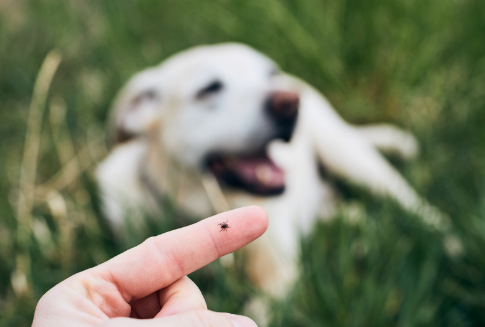
Cooler mornings, changing leaves, and crisp fall weather can make it feel like flea, tick, and mosquito season is finally behind us. Unfortunately, parasites don’t follow the calendar quite as closely as we’d like.
Here in Ohio, fleas and ticks can remain active well into the fall, and mosquitoes may stick around until temperatures consistently become cold enough to stop their activity. Even after the first chilly days arrive, your pet may still be exposed.
That’s why we recommend year-round parasite prevention for dogs and cats.
Cooler Weather Doesn’t Mean Ticks Are Gone
Ticks are surprisingly hardy. Some species can remain active whenever temperatures are above freezing, which means a mild Ohio fall—or even a warmer winter day—can provide an opportunity for ticks to become active again.
Pets don’t have to spend hours hiking in the woods to encounter them, either. Ticks can be found in:
- Backyards
- Tall grass and brush
- Parks and walking trails
- Leaf litter and wooded areas
- Areas frequented by wildlife
Ticks can transmit diseases including Lyme disease, ehrlichiosis, and anaplasmosis. Because tick-borne illnesses don’t always cause obvious symptoms right away, consistent prevention is one of the best ways to reduce your pet’s risk.
Fleas Can Actually Become a Bigger Problem Indoors
Fleas are another parasite that doesn’t simply disappear with the arrival of fall.
Adult fleas live and feed on pets, while eggs, larvae, and pupae can be present in carpets, bedding, furniture, and other areas of the home. Once fleas make their way inside, the warmth of your home can allow their life cycle to continue regardless of the weather outside.
This is one reason stopping flea prevention as soon as temperatures cool can backfire. By the time you’re seeing adult fleas on your pet, there may already be other stages of the flea life cycle developing in the environment.
Fleas aren’t just itchy, either. They can contribute to flea allergy dermatitis, skin infections, anemia in severe infestations, and tapeworm infections.
What About Mosquitoes?
Mosquitoes may be associated with hot summer evenings, but they can remain active into the fall as long as weather conditions allow.
For our pets, the biggest concern is heartworm disease.
Heartworms are transmitted through the bite of an infected mosquito. Dogs are the natural host for heartworms, and untreated infections can cause serious damage to the heart, lungs, and surrounding blood vessels.
And yes—even pets that spend most of their time indoors can be exposed to mosquitoes.
Because we can’t predict exactly when the last mosquito of the season will disappear—or when the first one will return in the spring—consistent, year-round heartworm prevention provides the most reliable protection.
What About Cats?
Cats need parasite protection, too.
Even indoor cats aren’t completely protected from fleas and mosquitoes, which can easily make their way inside. Cats that spend time outdoors may also encounter ticks.
Heartworm disease is different in cats than in dogs, but it can still cause serious illness—and there is currently no approved medication to eliminate adult heartworms in cats the way we can treat infected dogs. Prevention is especially important.
Your veterinarian can help determine which parasites your individual cat is likely to encounter and which preventive options make the most sense.
Why We Recommend Year-Round Prevention
Ohio weather is unpredictable. We can have freezing temperatures followed by surprisingly warm days, and parasite activity can vary from year to year.
Keeping pets on prevention throughout all 12 months means you don’t have to guess when parasite season has officially “ended” or remember exactly when to restart medication in the spring.
It also helps protect against gaps in coverage that can leave your pet vulnerable.
At Good Life Veterinary Care, we recommend parasite prevention based on your pet’s individual lifestyle, health, travel history, and risk factors. There isn’t necessarily one product that’s right for every pet.
If you’re unsure whether your dog or cat is adequately protected—or you’re not sure when their last dose was—just ask us. We’re happy to review their current prevention and help you choose an option that makes sense for your pet.
Fall is a great time for cozy walks and adventures with your pet. Just don’t let cooler weather fool you into thinking the bugs have packed up for the year.
Good Life Veterinary Care | Dublin, Ohio
Research-driven, compassionate veterinary care for dogs and cats.